The Growing Market for Platinum: Why You Should Consider Selling Your Platinum Jewelry
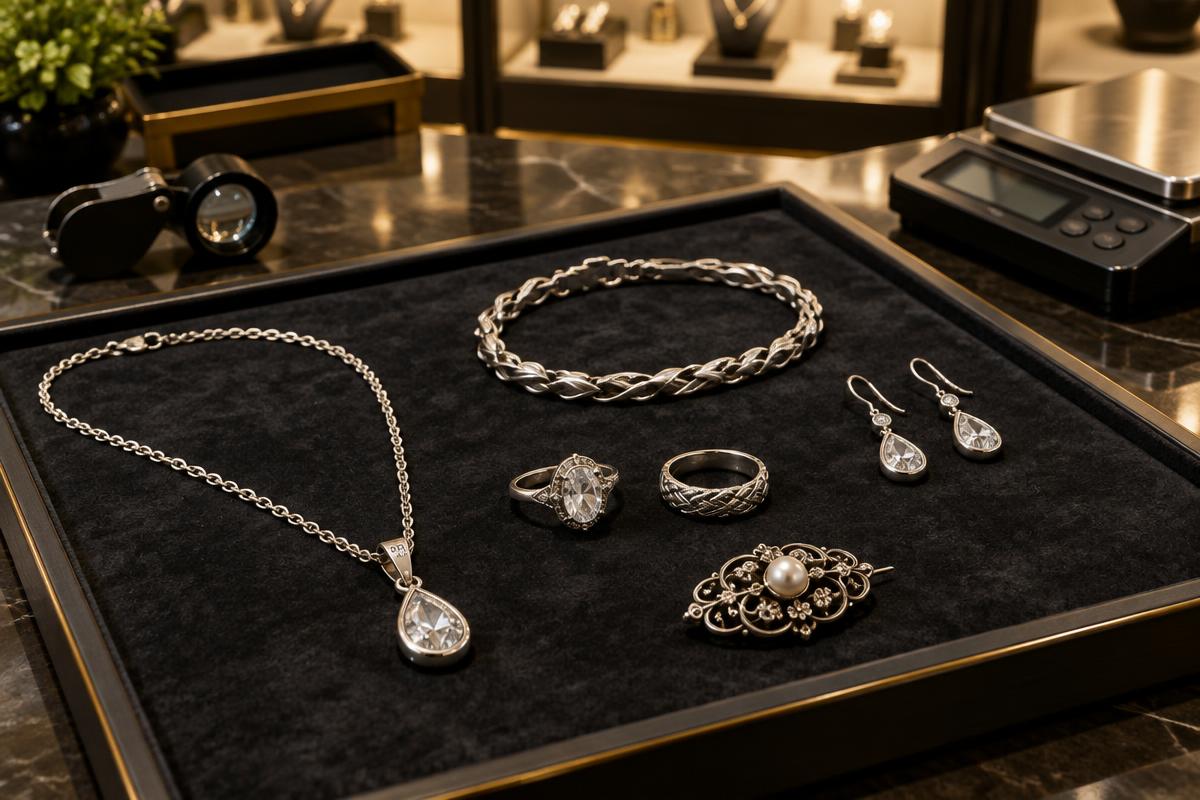
This comprehensive guide examines current market dynamics, reveals how your metal is appraised, and provides actionable steps to ensure you secure top-dollar cash for platinum.
Why Is the Platinum Market Gaining Strong Momentum?
Over the past few decades, millions of consumers acquired platinum engagement rings, wedding bands, necklaces, and luxury wristwatches prized for their cool white luster, hypoallergenic purity, and unmatched heft. Yet today, many of these exquisite pieces sit tucked away inside jewelry boxes and safe deposit boxes, unworn and forgotten.
If you own unwanted, inherited, or outdated platinum pieces, the precious metals landscape has shifted dramatically in your favor. Sustained industrial demand across green energy technologies, tight global mining supplies, and multi-year supply deficits tracked by the World Platinum Investment Council have put a renewed spotlight on platinum group metals (PGMs).
Whether you want to liquidate an unworn bridal set, turn vintage heirlooms into immediate capital, or cash in on old bullion, working with reputable platinum jewelry buyers allows you to unlock hidden liquidity. This comprehensive guide examines current market dynamics, reveals how your metal is appraised, and provides actionable steps to ensure you secure top-dollar cash for platinum.
The global platinum market is experiencing fundamental supply-and-demand shifts that distinguish it from other precious metals like gold and silver. Unlike gold, which is primarily held for financial reserves and ornamental jewelry, platinum is both a prized luxury metal and an indispensable industrial powerhouse.
According to mineral commodity reports from the U.S. Geological Survey, platinum is approximately thirty times rarer than gold in the Earth's continental crust. Primary mining output is heavily concentrated in South Africa, Russia, and Zimbabwe, leaving annual production vulnerable to electrical grid curtailments, geopolitical trade restrictions, and deep-shaft extraction bottlenecks.
At the same time, industrial consumption has expanded rapidly:
With primary mine production constrained and industrial sectors absorbing massive quantities of above-ground supply, secondary scrap recycling—specifically melted jewelry and recycled bullion—has become essential to bridge the supply gap. For private sellers, this structural demand provides an ideal economic window to sell platinum at competitive market rates.
- Automotive and Emissions Catalysts: Hybrid and internal combustion vehicles rely heavily on platinum catalysts to scrub nitrogen oxides and toxic carbon monoxide from exhaust streams.
- The Hydrogen Economy & Clean Fuel Cells: Platinum acts as the premier electrocatalyst in proton exchange membrane (PEM) electrolyzers for green hydrogen generation and hydrogen fuel cell electric vehicles (FCEVs).
- Advanced High-Tech Manufacturing: Due to its melting point of 3,215°F (1,768°C) and resistance to chemical corrosion, platinum is indispensable in producing high-purity fiberglass, optical LCD displays, chemical fertilizers, and high-density computer hard drives.
Platinum vs. White Gold vs. Sterling Silver: How Do They Compare?
Many people own white-colored jewelry without realizing whether the piece is crafted from sterling silver, white gold, or pure platinum. Because platinum is denser and purer than its counterparts, a platinum piece will almost always command a substantially higher payout than an identical-looking silver item or low-karat white gold ring.
The following comparative table illustrates the physical and compositional differences that reputable appraisers examine:
Because of platinum's dense molecular lattice, two wedding bands of identical millimeter width and finger size will weigh noticeably different amounts. A plain men's band in 14K white gold might weigh 6 grams, whereas the exact same band crafted in 950 platinum will weigh nearly 10 grams. When you take that piece to professional buyers offering cash for platinum NJ, that 60% weight difference translates directly into a higher cash payout.
Typical Purity
Platinum (PT950 / PT900): 90% to 95% Pure Platinum
14K White Gold: 58.5% Pure Gold (41.5% Base Alloy)
Sterling Silver (.925): 92.5% Pure Silver (7.5% Copper)
Density (Specific Gravity)
Platinum (PT950 / PT900): ~21.45 g/cm³ (Extremely dense)
14K White Gold: ~12.9 to 13.5 g/cm³
Sterling Silver (.925): ~10.49 g/cm³
Hypoallergenic Properties
Platinum (PT950 / PT900): 100% Hypoallergenic
14K White Gold: Often contains nickel (can irritate skin)
Sterling Silver (.925): Generally safe, but can cause reactions
Wear Behavior
Platinum (PT950 / PT900): Displaces metal into a protective patina
14K White Gold: Wears away microscopically; loses rhodium
Sterling Silver (.925): Oxidizes and tarnishes rapidly
Scrap Weight Advantage
Platinum (PT950 / PT900): Roughly 60% heavier than 14K gold
14K White Gold: Standard weight profile
Sterling Silver (.925): Lightweight compared to platinum
Primary Valuation Basis
Platinum (PT950 / PT900): Live spot price × Weight × Purity
14K White Gold: Karat gold spot price × Weight
Sterling Silver (.925): Silver spot price × Weight
How Is Platinum Jewelry Value Calculated?
Understanding the underlying formula used by licensed precious metal dealers protects you against lowball offers and ensures complete transparency during your transaction. Reputable buyers calculate your offer using four concrete variables:
1. Purity Hallmarks
Under guidelines enforced by the Federal Trade Commission, fine jewelry sold as platinum must bear precise fineness stamps indicating the parts per thousand of pure platinum group metals:
- PLAT, PT950, or 950: Contains 950 parts per thousand (95%) pure platinum alloyed with 5% ruthenium, cobalt, or iridium.
- PT900 or 900 Plat: Contains 900 parts per thousand (90%) pure platinum and 10% alloying metals (frequently used in vintage and antique jewelry).
- IRIDPLAT or 10% IRID: A classic mid-century standard denoting 90% platinum and 10% iridium.
- 850 Plat: Contains 85% platinum and 15% alloys.
2. Certified Weight
Precious metals are weighed in grams (g) or pennyweights (dwt), where 1 troy ounce equals 31.103 grams or 20 pennyweights. Professional jewelry appraisers use NTEP-certified, legal-for-trade digital scales that weigh in plain sight of the client.
3. Live Spot Price
Platinum trades continuously on global commodity exchanges (such as NYMEX). An honest buyer ties their purchase offers directly to the real-time spot price of platinum, rather than relying on outdated weekly sheets or arbitrary guessing.
4. Added Diamond and Gemstone Valuation
Inexperienced scrap gold buyers often only pay for raw metal weight and disregard the diamonds mounted into platinum prongs. When selling platinum for cash, work with specialists who evaluate both the metal and the mounted stones. At Golden Jewelers, clients can sell the metal and stones together or utilize specialized cash for diamonds services to receive maximum value for high-clarity center and accent stones.
Practical Examples: Real-World Platinum Payout Scenarios
To help you visualize how these calculations work in practice, consider two common selling scenarios:
Scenario A: The Modern Men's 950 Platinum Wedding Band
- Item: Plain 6mm platinum band stamped “PT950”.
- Scale Weight: 11.2 grams.
- Purity: 95% pure platinum (0.950).
- Pure Platinum Content: 11.2 g × 0.95 = 10.64 grams of pure platinum (approximately 0.342 troy oz).
- Valuation Process: The payout is calculated using the live market spot price multiplied by the exact pure platinum weight.
- Outcome: The seller receives immediate cash calculated against the live spot price, turning an unworn ring into hundreds of dollars in liquid funds.
Scenario B: An Inherited Vintage Art Deco Platinum Ring
- Item: 1920s vintage filigree ring stamped “10% IRID PLAT” featuring a 0.75-carat center European cut diamond and four accent melee diamonds.
- Scale Weight: 5.8 grams.
- Purity: 90% pure platinum (0.900).
- Outcome: Rather than simply melting the ring as scrap, an expert appraiser with cash for estate jewelry expertise evaluates the total piece. The customer gets paid for the 5.22 grams of pure platinum content plus a dedicated valuation for the 0.75-carat center diamond, yielding an offer hundreds of dollars higher than a generic scrap melt quotation.
What Types of Platinum Can You Sell for Cash?
Consumers are often surprised to discover how many everyday luxury and collectible items contain significant quantities of pure platinum. Reputable precious metal buyers purchase platinum across a wide array of conditions, including:
- Bridal and Wedding Jewelry: Solitaire rings, halo settings, pavé bands, channel-set eternity bands, and retired platinum engagement rings.
- Chains, Bracelets, and Necklaces: Heavy platinum Cuban links, Franco chains, tennis bracelets, box chains, and pendants.
- Damaged or Scrap Jewelry: Broken prongs, severed chains, bent mountings with missing stones, dental platinum, and jeweler's bench scrap.
- Watches with Platinum Cases: Luxury timepieces from brands like Rolex, Patek Philippe, Audemars Piguet, and Cartier crafted with solid platinum bezels or cases (often featuring an ice-blue dial or distinctive PT950 case marks).
- Bullion and Legal Tender Coins: Government-minted coins such as the American Platinum Eagle, Canadian Platinum Maple Leaf, Australian Platinum Koala, and Isle of Man Platinum Noble. Trusted platinum coin buyers purchase these numismatic and bullion items at premium market-linked prices.
Expert Tips for Maximizing Your Payout When Selling Platinum
Before stepping into a jewelry buyer's store or accepting a quotation, use these industry tips to protect your investment:
1. Locate and Inspect Hallmarks Carefully
Use a 10x jeweler's loupe or your smartphone camera's macro setting to inspect inner ring shanks, clasp mechanisms, and earring posts for stamps like “PT950”, “950 Plat”, or “Pt900”.
2. Never Polish Away Metal Weight
Unlike silver, which tarnishes, platinum develops a micro-textured satiny finish known as a patina. Avoid aggressively polishing antique platinum jewelry prior to sale; aggressive buffing can remove surface metal and decrease gross scale weight.
3. Keep Original Lab Certifications
If your platinum ring houses a diamond certified by the Gemological Institute of America (GIA) or American Gem Society (AGS), bring the grading dossier with you. Certified documentation speeds up diamond verification and boosts your total cash return.
4. Insist on Transparent, Non-Destructive Testing
Reputable buyers use advanced X-Ray Fluorescence (XRF) spectrometry or electronic gold/platinum testers that analyze elemental purity without deeply scratching or damaging heirloom items.
5. Verify Scale Certification
Always verify that your items are weighed directly in front of you on a certified, state-inspected scale with an active regulatory seal.
4 Common Mistakes to Avoid When Selling Platinum for Cash
Selling precious metals should be a clear, reassuring experience. Avoid these frequent pitfalls:
- Mistake 1: Confusing Platinum with Silver or White Gold: Because platinum resembles polished white gold or bright sterling silver, many owners unwittingly toss high-value platinum pieces into costume jewelry piles. If a piece feels remarkably dense or heavy for its size, have it professionally tested before parting with it.
- Mistake 2: Using Remote Mail-In “Cash Envelope” Services: National mail-in mailer companies frequently operate with high overhead, television ad budgets, and non-transparent payouts, offering 30% to 50% below fair market value. Once your jewelry is in the mail, recovering it if you decline an offer can prove difficult or costly.
- Mistake 3: Accepting a Generic Gold-Only Valuation: Unspecialized pawn shops often test for 10K, 14K, or 18K gold and treat unmarked platinum as base metal or low-purity silver. Always select professional jewelry buyers who specialize in platinum group metals and track live daily spot figures.
- Mistake 4: Discarding Mountings After Removing Diamonds: When redesigning jewelry or resetting an heirloom diamond into a new ring, never leave the original platinum setting behind. An empty platinum mounting still contains substantial scrap value that can offset custom design costs or put cash directly in your wallet.
Step-by-Step: The In-Person Selling Process at Golden Jewelers
If you live in the South Jersey or greater Philadelphia area, getting paid top dollar for your precious metals is straightforward and stress-free. Here is what to expect during a professional evaluation at Cinnaminson, NJ:
Whether you want to trade platinum toward custom pieces, liquidate vintage silver flatware, or explore our comprehensive cash for gold services, the entire transaction takes less than fifteen minutes.
1. Walk-In Consultation (No Appointment Needed)
Visit our storefront at The Shoppes at Cinnaminson any day of the week. Walk-ins are welcomed seven days a week.
2. Visual & Hallmark Verification
Our master evaluators inspect your pieces under magnification to record purity stamps, maker's marks, and vintage provenance.
3. Precision Testing
Unmarked items undergo testing using calibrated testing solutions and electronic analysis to verify purity up to 950 platinum without harming the piece.
4. Live Weight Calculation
Your jewelry is placed on an NTEP-certified scale in plain view. We calculate the exact gram weight of the metal and appraise any accompanying diamonds or colored gemstones.
5. Instant Cash Offer
We cross-reference your purity and weight with the current live platinum spot price to generate a transparent, no-obligation cash offer.
6. Immediate Payment
Once you accept, you receive payment on the spot.
Frequently Asked Questions
How can I tell if my jewelry is real platinum at home?
Look for engraved purity hallmarks on the interior band, clasp, or edge of the piece, such as “PLAT”, “PT950”, “950”, “PT900”, or “10% IRIDPLAT”. Platinum is also completely non-magnetic, dense (it feels noticeably heavier in the hand than a gold or silver piece of the same dimensions), and will never tarnish, oxidize, or discolor over time.
How much cash can I get for selling a platinum ring?
The payout depends on the ring's total gram weight, its platinum purity (typically 90% or 95%), the live market spot price at the time of sale, and the value of any mounted diamonds. A heavy 950 platinum wedding band weighing 10 to 12 grams typically yields several hundred dollars in scrap value alone.
Why does platinum jewelry weigh more than white gold?
Platinum is one of the densest elements on Earth, with a specific gravity of roughly 21.45 g/cm³ compared to approximately 13.0 g/cm³ for 14K white gold. As a result, a platinum piece contains significantly more physical mass than an identical item crafted in gold, resulting in higher weight on the scale.
Will you buy platinum jewelry if the stones are missing or the chain is broken?
Yes. Professional precious metal buyers purchase platinum in any condition. Dented mountings, severed chains, mismatched platinum earrings, worn wedding bands, and bench scrap are evaluated based on their raw platinum content, regardless of cosmetic wear or structural damage.
Can I sell platinum coins and bullion bars?
Yes. Licensed bullion dealers and platinum coin buyers purchase government-issued bullion coins (like the American Platinum Eagle or Canadian Platinum Maple Leaf) as well as private mint platinum bars (such as PAMP Suisse, Valcambi, and Credit Suisse) at prices reflecting live commodity exchange rates.
Do buyers pay extra for diamonds set in platinum mountings?
Reputable jewelers appraise the metal and gemstones separately. While basic scrap yards may disregard the stones, full-service jewelers test the cut, color, clarity, and carat weight of your diamonds, adding an additional gemstone premium to your final cash payout.
How does the current platinum market compare to historical prices?
Historically, platinum traded at a premium over gold; in recent years, high industrial consumption combined with severe global mining constraints and sustained deficits has revitalized investor interest. Today's market provides an excellent environment to liquidate idle platinum jewelry for cash.
Do I need an appointment to sell my platinum jewelry?
At reputable brick-and-mortar jewelers such as Golden Jewelers in Cinnaminson, NJ, no appointment is necessary. You can walk in during regular business hours seven days a week, receive an instant in-person evaluation, and walk out with cash in hand.
Ready for a Free, No-Obligation Offer?
Walk in seven days a week at The Shoppes at Cinnaminson — no appointment needed, cash paid on the spot.
