What to Expect When Selling Estate Jewelry: A Complete Guide
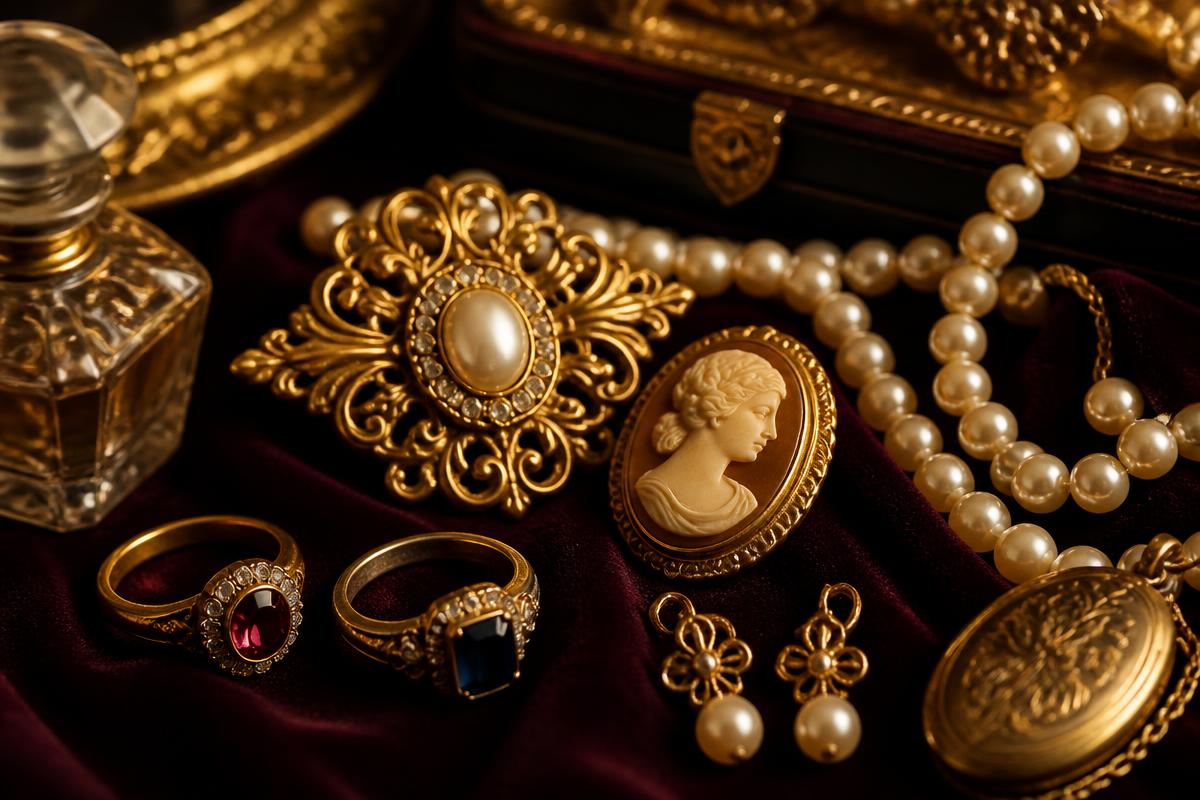
Knowing what happens during an appraisal, how buyers calculate offers, and which sales channels yield the highest payout puts you in full control.
What Happens When You Sell Estate Jewelry?
Selling estate jewelry is often both an emotional and financial process. Whether you recently inherited a vintage collection, need to settle an estate, or simply want to declutter pieces you no longer wear, navigating the resale market can feel overwhelming. Many sellers worry about being undervalued, misunderstood, or pressured into quick sales.
Knowing what happens during an appraisal, how buyers calculate offers, and which sales channels yield the highest payout puts you in full control. This comprehensive guide breaks down the entire process—from identifying hallmarks and understanding market value to walking through a professional in-person evaluation—so you can confidently secure cash for estate jewelry with complete peace of mind.
When you bring heirloom or vintage pieces to reputable jewelry buyers, the evaluation process follows five transparent steps:
- Intake & Sorting: Pieces are categorized by metal type (gold, platinum, silver) and gemstone content.
- Authenticity & Purity Testing: Buyers inspect hallmarks, test precious metal karat weights using non-destructive methods, and authenticate stones.
- Gemological Evaluation: Diamonds and colored gemstones are graded for cut, color, clarity, and carat weight according to standard Gemological Institute of America (GIA) criteria.
- Historical & Brand Assessment: Signed pieces (such as Cartier, Tiffany & Co., or David Webb) and antique eras (Victorian, Edwardian, Art Deco) are evaluated for collector premiums beyond scrap value.
- No-Obligation Cash Offer: The buyer presents a transparent offer based on current market rates, with immediate payment issued upon acceptance.
What Is Considered Estate Jewelry?
In the jewelry trade, estate jewelry refers to any piece that has been previously owned. Contrary to popular belief, a piece does not require the original owner to be deceased to qualify as estate jewelry.
Estate pieces generally fall into three distinct classifications:
If your collection also includes vintage silver services or decorative pieces, professional buyers often assess sterling silver silverware and antique heirlooms alongside your wearable estate pieces.
- Contemporary Estate Jewelry: Modern pieces produced within the last 20 to 30 years that have had at least one prior owner. These are typically evaluated based on precious metal weight, diamond quality, and brand resale demand.
- Vintage Jewelry: Items manufactured between 50 and 100 years ago. Vintage jewelry often showcases mid-century modern, retro, or late Art Deco craftsmanship.
- Antique Jewelry: Items certified to be at least 100 years old. These pieces encompass Georgian, Victorian, Edwardian, and early Art Deco periods and carry significant collector value when preserved in original condition.
How Is the Value of Estate Jewelry Determined?
The value of estate jewelry is calculated through a combination of material intrinsic worth, gemological specifications, craftsmanship, and secondary market demand.
1. Precious Metal Purity and Weight
The foundation of any jewelry valuation begins with its precious metal content. Buyers examine purity stamps (hallmarks) such as 10K, 14K, 18K, or 750 for gold, 950 for platinum, and 925 for sterling silver. Items are weighed on state-certified legal-for-trade scales, and the melt value is calculated against live daily precious metal spot prices. High-purity metals command substantial immediate payouts when exploring cash for gold or selling fine platinum jewelry.
2. Diamond and Gemstone Grading
Mounted and loose gemstones contribute significantly to resale value. Experienced evaluators examine diamonds for the classic Four Cs (Carat, Cut, Color, and Clarity). While modern brilliant cuts have standardized market values, antique cuts—such as Old Mine cuts and Old European cuts—are valued differently. Antique diamonds may exhibit warmer color grades but attract distinct collector interest due to their hand-faceted historical character. If your heirloom contains prominent stones, working with specialists who evaluate cash for diamonds ensures accurate valuation.
3. Maker’s Marks, Signatures, and Provenance
Unsigned jewelry is predominantly valued for its metal and stone weight. In contrast, signed pieces from legendary design houses such as Van Cleef & Arpels, Tiffany & Co., Buccellati, Bulgari, and Cartier command high premiums that exceed their raw metal value by three to ten times. Original sales receipts, presentation boxes, and certificates of authenticity dramatically enhance this provenance premium.
4. Condition and Originality
Unlike coins, where cleaning destroys numismatic value entirely, jewelry condition is nuanced. Buyers look for original patinas on antique silver and bronze mounts, un-altered settings, original accent stones, and intact enamel work. Replacing an antique hand-cut diamond with a modern round brilliant or polishing away an authentic 19th-century patina can unintentionally diminish collector interest.
Estate Jewelry Appraisal vs. Buyer Evaluation: Key Differences
One of the most frequent sources of confusion for sellers is the difference between an insurance appraisal and a direct cash buyer’s evaluation. Holding an appraisal document that states your grandmother’s ring is “worth 0,000” does not mean a buyer will hand you a check for 0,000.
An insurance replacement appraisal reflects the maximum retail cost to reproduce or replace that piece brand-new at a luxury retail store, including retail markup, marketing overhead, and insurance margins. A cash liquidation offer reflects what the open market is willing to pay in immediate funds today.
Primary Purpose
Insurance Replacement Appraisal: Insurance policy coverage against loss or theft
Estate Jewelry Buyer Evaluation: Immediate cash liquidation or asset sale
Pricing Model
Insurance Replacement Appraisal: Full retail replacement cost
Estate Jewelry Buyer Evaluation: Fair secondary market wholesale / liquidation value
Included Costs
Insurance Replacement Appraisal: Retailer profit margins, labor overhead, insurance padding
Estate Jewelry Buyer Evaluation: Real-time market demand, metal melt, wholesale gem value
Cost to Seller
Insurance Replacement Appraisal: Paid service (5–50+ per hour or item)
Estate Jewelry Buyer Evaluation: Free, no-obligation evaluation
Legal Documentation
Insurance Replacement Appraisal: Formal multi-page written document
Estate Jewelry Buyer Evaluation: Written or verbal itemized cash purchase offer
Conducted By
Insurance Replacement Appraisal: Independent certified gemologists / National Association of Jewelry Appraisers
Estate Jewelry Buyer Evaluation: Licensed, professional estate jewelry buyers
Step-by-Step: What to Expect During an In-Person Selling Appointment
Visiting an experienced, family-owned buyer eliminates guesswork. Here is an authentic look at what occurs when you walk into a professional establishment like Golden Jewelers:
1. Secure, Private Consultation
You are greeted in a private, comfortable showroom. Legitimate buyers always conduct evaluations directly in front of you, ensuring your heirlooms never leave your line of sight.
2. Preliminary Sorting and Metal Verification
The specialist separates costume pieces from genuine precious metals. They check for hallmarks using a jeweler’s loupe or stereo microscope. For unmarked items, non-destructive electronic precious metal testers or standard acid scratch tests on testing stones are used in accordance with FTC jewelry guides.
3. Weighing on Certified Scales
Gold, silver, and platinum items are weighed on state-certified scales calibrated in Troy ounces, pennyweights (dwt), or grams. You can see the scale display clearly from your side of the desk.
4. Diamond and Gemstone Analysis
Using digital gauges, color-comparison stones, and magnification, the buyer determines diamond weights and grades. If a piece includes signed vintage signatures, the appraiser cross-references maker catalogs to verify hallmark authenticity.
5. Clear Offer and Immediate Payment
The buyer provides an itemized breakdown of what each piece is worth, explaining the split between gold scrap value and gemstone/collector value. There is no pressure to accept. If you accept the offer, a formal purchase agreement is generated (requiring a valid government-issued photo ID as mandated by state law), and immediate payment is issued via cash, check, or bank transfer.
Selling Family Heirlooms: Emotional Considerations and Practical Advice
Selling family heirlooms involves more than calculating pennyweights and carats; it touches family legacy and personal memories. Navigating these sales smoothly requires practical planning:
- Document Family Consensus First: Before bringing an inherited jewelry box to a buyer, confirm that all siblings or heirs agree on liquidating the items. Misunderstandings between family members after an item is sold can cause lasting friction.
- Divide by Value, Not Piece Count: One 18K Art Deco diamond engagement ring can easily be worth ten times more than five 10K gold chains combined. Getting an objective valuation first allows heirs to divide the financial assets equitably.
- Keep What Truly Matters: If a particular locket or pendant holds deep emotional significance, keep it. You can sell unneeded broken chains, mismatched earrings, and dated settings to generate practical funds while preserving the single piece that carries true sentimental value.
- Photograph the Collection: Documenting pieces with clear digital photographs preserves family memories in digital photo albums long after the physical jewelry has been liquidated.
Real-World Example: How an Inherited Estate Was Evaluated
To illustrate how valuation works in practice, consider a real-world scenario of an estate collection brought in for evaluation:
The Situation
A client in South Jersey inherited an assorted jewelry box containing items from their late grandmother. The collection appeared disorganized and included broken chains, tarnished bracelets, and several rings.
The Evaluation
Item A (Unmarked broken yellow necklace): Tested as 14K gold, weighing 28.5 grams. Valued purely for its gold content based on prevailing market spot rates: ,620.
Item B (Tarnished cocktail ring with a blue stone): Stamped 925 (sterling silver) featuring synthetic spinel. Valued for sterling silver content: 5.
Item C (Platinum filigree diamond ring): Stamped “PLAT” featuring an authentic 1.15-carat Old European cut diamond (G color, VS2 clarity) from the 1920s Art Deco era. Rather than pricing this as scrap metal and an ordinary diamond, it carried a signed maker hallmark. Valued as an intact collector heirloom: ,800.
Item D (Assorted brooch pins): Tested as gold-plated base metal (costume jewelry). Returned to the seller for family keepsakes.
The Outcome
The seller walked away with 445 in immediate certified funds, having separated sentimental costume pieces from valuable precious metals and rare collector gems.
5 Common Mistakes to Avoid When Selling Estate Jewelry
Navigating jewelry sales requires avoiding several costly traps:
1. Cleaning or Polishing Antique Pieces Yourself
Never dip vintage jewelry in harsh chemical cleaners, soak emeralds in water, or use abrasive polishes. Harsh treatments can remove desirable historical patinas, dissolve natural gemstone inclusions, or ruin fragile enamel. Let professional buyers evaluate items in their natural state.
2. Untangling or Discarding “Broken” Jewelry
A broken 14K chain, a crushed gold bangle, or a single earring with a lost partner possesses the exact same precious metal value per gram as an intact piece. Never discard damaged gold or silver.
3. Relying on Outdated Retail Appraisals
Appraisals from the 1980s or 1990s reflect outdated retail price indexes and different gold market baselines. While old paperwork helps verify gemstone authenticity, treat dollar values on old documents as historical reference points rather than guaranteed cash payouts today.
4. Mailing Valuable Heirlooms in Uninsured Envelopes
“Cash for gold” mail-in envelope services often offer pennies on the dollar and charge exorbitant return-shipping fees if you reject their quote. Selling locally in person guarantees safety, immediate verification, and face-to-face accountability.
5. Letting Items Leave Your Line of Sight
Never permit an appraiser or buyer to take your jewelry into an enclosed back room out of your sight. Reputable businesses perform testing, weighing, and stone inspection directly at the consultation desk in front of you.
Expert Tips to Maximize Cash for Your Estate Jewelry
To get the highest return when selling estate jewelry, follow these insider recommendations:
- Gather All Original Paperwork: Bring original store receipts, GIA laboratory reports, antique boxes, warranty booklets, or prior estate inventories.
- Organize by Metal Stamp: You can save time during your appointment by separating pieces that show stamps (10K, 14K, 18K, 925, PLAT) from items with no markings.
- Know the Current Gold Market: Precious metal spot prices fluctuate daily. Selling when gold and silver trade near historic highs ensures maximum return for weight-based items.
- Select an Established, Multi-Generation Buyer: Choose family-run businesses that have operated in your community for decades. Established buyers like family-owned jewelry buyers rely on long-term reputation and fair transactions rather than one-time transaction fees.
Get a Transparent Evaluation for Your Estate Jewelry Today
Selling your inherited jewelry and family heirlooms should be an empowering, transparent, and rewarding experience. Whether you have a single vintage engagement ring, a drawer of gold chains, or a complete generational estate, expert guidance ensures you receive the full market value your items deserve.
Conveniently located in Cinnaminson, New Jersey, Golden Jewelers has provided trusted, honest, and competitive jewelry evaluations across South Jersey and the Greater Philadelphia region for over 30 years.
Ready to discover the true value of your collection? Schedule a free in-person evaluation today, or call 856-786-8660 to speak directly with an estate jewelry specialist.
Frequently Asked Questions
What is the difference between antique, vintage, and estate jewelry?
Estate jewelry refers to any pre-owned jewelry regardless of age. Vintage jewelry specifically describes pieces between 50 and 100 years old. Antique jewelry must be at least 100 years old and typically represents distinct historical eras such as the Victorian, Edwardian, or Georgian periods.
Do I need a formal appraisal before selling estate jewelry?
No, you do not need a paid appraisal before selling. Most reputable jewelry buyers provide a free, no-obligation evaluation and cash offer in person. Paid insurance appraisals are only necessary if you intend to keep and insure the items.
How do buyers test gold and platinum without damaging it?
Buyers use non-destructive methods, including visual hallmark verification, electronic electromagnetic testers, and minimal surface touchstone scratch tests. None of these standard trade procedures harm or devalue your jewelry.
Should I clean my estate jewelry before bringing it in?
No, you should never clean or polish antique or estate jewelry before having it evaluated. Harsh household chemicals and ultrasonic cleaners can loosen delicate prongs, damage porous gemstones like opals or pearls, and strip away valuable antique patinas.
How do I know if an old piece of jewelry is real gold or costume?
Real gold jewelry usually features official purity hallmarks (such as 10K, 14K, 18K, 417, 585, or 750) stamped on clasps, inner bands, or bail loops. It will not be attracted to a magnet and will not show brassy green or silver undertones along worn edges.
Will I get the appraised insurance value when I sell?
No. Insurance appraisals reflect the theoretical retail cost to manufacture and replace an item brand-new at retail prices. Secondary market cash offers reflect actual liquidation value based on raw material spot prices, wholesale gemstone demand, and resale marketability.
What documents or identification do I need to sell estate jewelry?
State and municipal laws require sellers to present a valid government-issued photo ID (such as a driver’s license, state ID card, or passport). If you are acting as the legal executor of an estate, carrying the letters of administration or estate documentation is helpful.
Can I sell broken chains, single earrings, and dental gold?
Yes. Precious metal value is calculated by purity and weight, not aesthetic condition. Broken gold chains, damaged settings, single earrings, and even clean dental gold retain full scrap metal cash value.
How quickly will I receive payment when selling my jewelry?
When selling to a dedicated local buyer, payment is provided immediately on the spot. Once you accept the written offer, you receive immediate payment via cash, official company check, or bank wire.
Ready for a Free, No-Obligation Offer?
Walk in seven days a week at The Shoppes at Cinnaminson — no appointment needed, cash paid on the spot.
